2026 How to Choose the Right Ddc Panel For Ahu Systems?
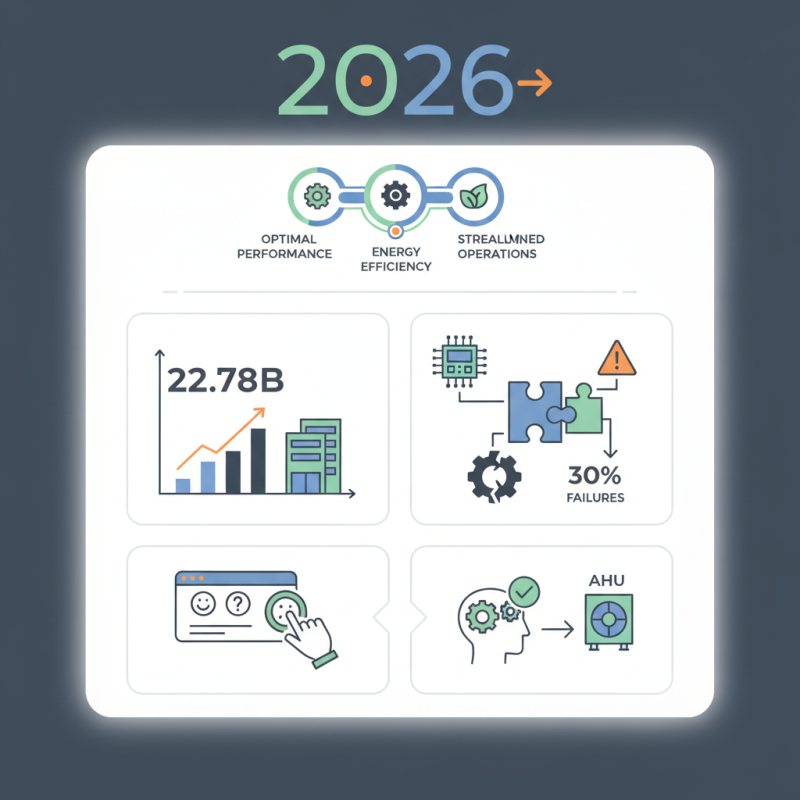
Choosing the right Ddc Panel for AHU systems is crucial for optimal performance and efficiency. A report by MarketsandMarkets suggests that the global HVAC control market is expected to reach $22.78 billion by 2025. This growth emphasizes the need for efficient controls in air handling units. A well-selected Ddc Panel can streamline operations and enhance energy efficiency.
The complexity of modern HVAC systems requires careful consideration of various factors. Compatibility with existing systems is vital. Additionally, some panels may not integrate seamlessly with all components. Reports indicate that up to 30% of HVAC failures are due to poor control systems. This underscores the significance of selecting the right Ddc Panel for AHU systems.
Furthermore, maintenance and user-friendliness play critical roles in the selection process. Users often struggle with complicated interfaces. This highlights a gap in the market for more intuitive designs. An effective Ddc Panel for AHU should prioritize functionality while remaining user-friendly. Understanding these aspects is essential for making informed decisions.
Understanding DDC Panels and Their Role in AHU Systems
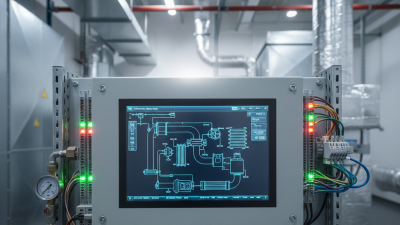
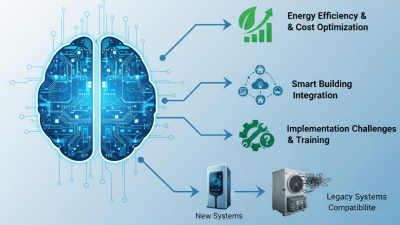
DDC panels play a crucial role in Air Handling Unit (AHU) systems. They are the brain behind various HVAC operations. These panels manage temperature, humidity, and airflow. A DDC panel allows precise control, leading to energy efficiency. It gathers data from sensors and makes real-time adjustments. This ensures optimal performance in buildings.
Choosing the right DDC panel requires understanding its features. Some panels offer advanced controls, while others focus on basic functions. Compatibility with existing equipment is vital. A panel that doesn’t integrate well can lead to inefficiencies. Also, consider the user interface. A complicated design can frustrate operators. Simplicity often promotes better usage.
It is essential to assess the scalability of the panel. As systems evolve, so should the management tools. A panel that cannot adapt may hinder future upgrades. Most users overlook this aspect, leading to potential issues. Reviewing past performance can help identify gaps. This reflection can lead to smarter choices in the future.
Comparison of DDC Panel Features for AHU Systems
Key Factors to Consider When Choosing a DDC Panel
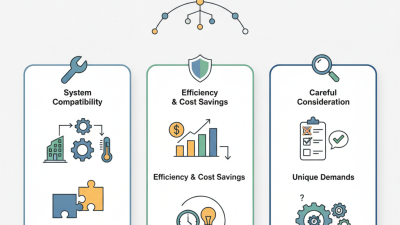
Choosing the right DDC panel for AHU systems is critical. Several key factors come into play. First, assess the panel’s compatibility with your existing HVAC systems. Mismatched components can lead to inefficiencies. Understand your system’s specific needs. This will guide you toward the right features in a DDC panel.
Next, consider the control strategy you aim to implement. Some panels offer advanced features, but they may add complexity. Evaluate if these features are necessary. Simpler options may suffice for basic needs. Also, think about panel scalability. As your needs grow, can the panel adapt? A flexible system can save costs in the long run.
Don’t overlook user experience. An intuitive interface makes operation easier. Look for panels with clear displays and simple controls. Test the interface if possible. Feedback from existing users can be invaluable. Remember, the perfect panel may not exist. Reflect on what truly matters for your application. Aim for a balance between features and manageability.
Types of DDC Panels Suitable for AHU Applications
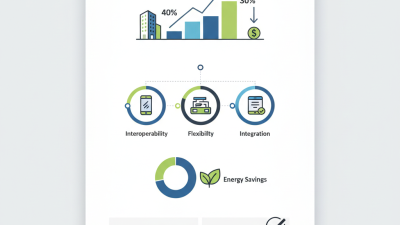
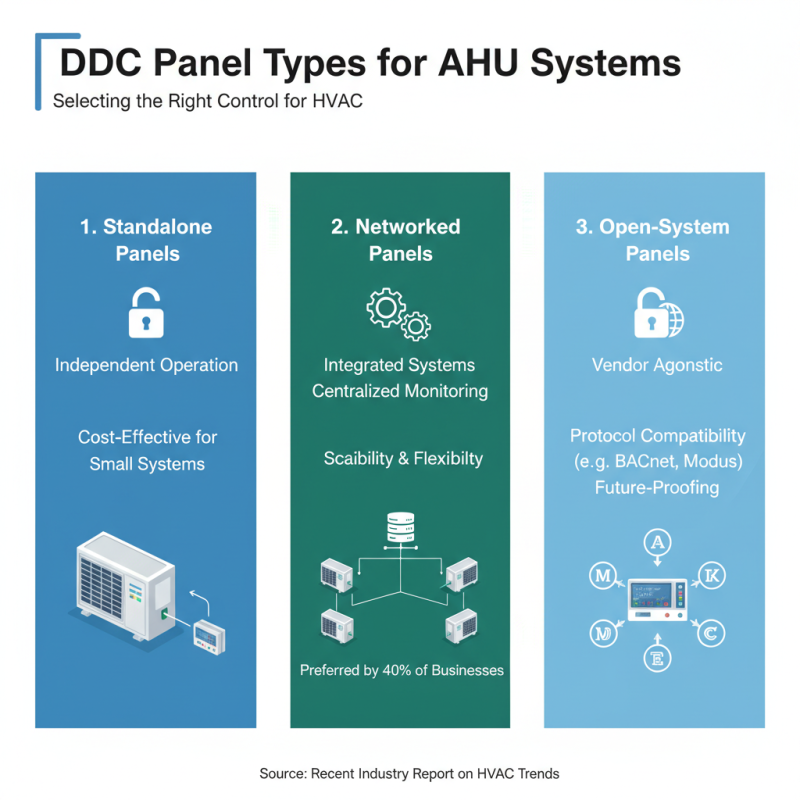
When selecting a DDC panel for AHU systems, understanding the types available is crucial. There are generally three categories: standalone panels, networked panels, and open-system panels. Each serves different needs in HVAC applications. According to a recent industry report, about 40% of HVAC businesses prefer networked systems for their flexibility and scalability.
Standalone DDC panels are simpler and cost-effective. They manage specific functions within the AHU, ideal for smaller systems. However, their limited capability may not suit larger setups, so choosing wisely is important. In contrast, networked panels integrate with existing building management systems, allowing centralized control. This can enhance system efficiency by up to 30%, per recent analyses.
Open-system panels offer another option. They are designed to work with various protocols, which can make integration easier. Yet, many users struggle with compatibility issues, causing frustration. Focusing too much on cost may lead to suboptimal choices. Finding the right balance between function and budget is key to achieving overall system efficiency.
Evaluating Compatibility of DDC Panels with Existing Systems
When choosing a DDC panel for air handling unit (AHU) systems, compatibility is crucial. An incompatible panel can cause major inefficiencies. Check the existing control protocols. This ensures smooth communication between devices. Evaluate the sensor types currently in use. Mismatched sensors can lead to inaccurate readings. These details are critical for the overall performance.
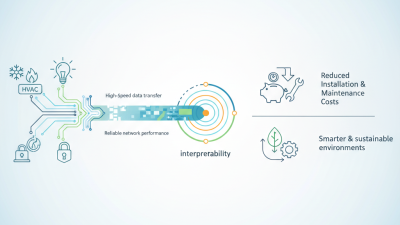
Consider the integration with your building management system. Does the DDC panel support the necessary protocols? This factor often gets overlooked. Failure to account for this could result in costly upgrades later. Simplifying integration can save time and resources.
Look closely at the panel’s software capabilities. Does it allow for future updates? Some panels may lag behind technology advancements. Regular updates are essential for operational efficiency. While focusing on immediate needs, remember to plan for future growth. This reflection is essential when selecting equipment. It’s easy to get lost in features and forget compatibility.
Maintenance and Support Considerations for DDC Panels in AHUs
When selecting a DDC panel for AHU systems, maintenance and support are crucial. Regular checks ensure the panel operates efficiently. Frequent visits to inspect connections and software updates can prevent larger issues. Skipping routine maintenance often leads to system failures.
Consider the accessibility of support services. Choose a solution with readily available technical assistance. During system failures, fast response times are vital. Understand that some support may not meet needs. Local technicians can be beneficial but may lack specific expertise.
Documentation is essential. Users should have clear manuals and troubleshooting guides. These resources aid in resolving minor issues quickly. However, not all panels provide comprehensive documentation. This can lead to frustration later on. Regular training sessions for staff improve understanding of the system and enhance operational efficiency.
2026 How to Choose the Right DDC Panel For Ahu Systems? - Maintenance and Support Considerations for DDC Panels in AHUs
| Criteria |
Description |
Importance Level |
Maintenance Frequency |
| Compatibility |
Ensure the DDC panel is compatible with your current AHU system. |
High |
Before Installation |
| Scalability |
Choose a panel that can accommodate future expansions. |
Medium |
Quarterly |
| User Interface |
Look for intuitive controls for ease of operation and monitoring. |
High |
Monthly |
| Energy Efficiency |
Select panels that help optimize energy usage. |
High |
Annually |
| Technical Support |
Evaluate the level of support offered by the manufacturer. |
Medium |
As Needed |
| Cost |
Consider initial investment versus long-term savings through efficiency. |
High |
Before Purchase |