How to Choose the Best IP Access Controller for Your Business?
In today's business landscape, security is paramount. An effective solution lies in the choice of an IP Access Controller. According to a recent study by MarketsandMarkets, the global access control market is projected to reach $11.91 billion by 2026, growing at a CAGR of 8.5%. This surge highlights the increasing need for secure and efficient access management systems.
Choosing the right IP Access Controller can be daunting. Various factors, such as scalability, integration capabilities, and user-friendliness, play crucial roles. A report from Allied Market Research emphasizes that 45% of businesses experience significant delays due to inadequate access control systems. Thus, the right solution can substantially enhance operational efficiency.
Many companies overlook the importance of updates and support services. As technology evolves, so do security threats. Research by IHS Markit indicates that 70% of businesses report feeling unprepared for emerging security challenges. Organizations must regularly assess their IP Access Controller choices to ensure alignment with current trends and threats.
Understanding IP Access Controllers: Key Features and Benefits
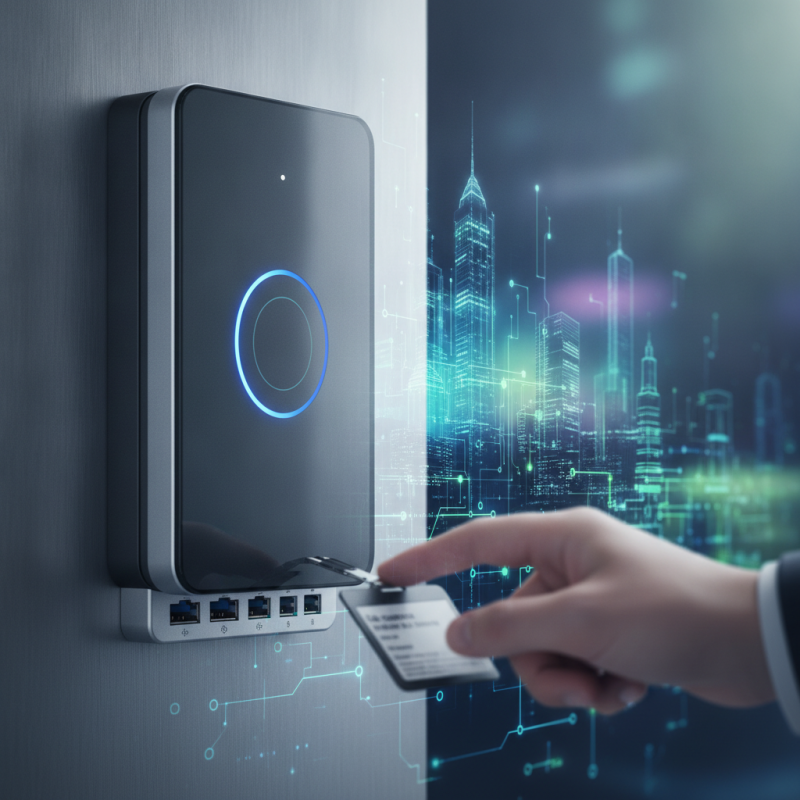
In today’s digital landscape, choosing the right IP access controller is crucial for safeguarding business assets. These devices manage entry points, ensuring only authorized personnel gain access. Recent studies indicate that nearly 75% of organizations report increased security incidents due to inadequate access controls. This stresses the need for reliable systems.
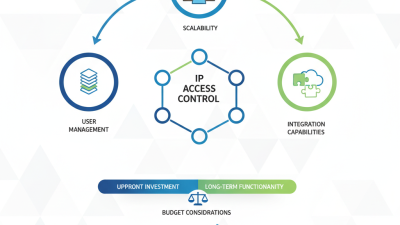
Key features to look for include scalability, remote access, and integration capabilities. A scalable system can adapt as your business grows. According to a report by the Security Industry Association, nearly 60% of businesses prioritize scalability when selecting access control systems. Remote access is another essential feature, allowing management of entries from any location. This is vital for organizations with multiple sites or staff managing access remotely.
The benefits of IP access controllers extend beyond security. They can streamline operations through automation, reduce operational costs, and improve compliance. However, businesses often underestimate the importance of user training. Neglecting this can lead to security loopholes. A survey revealed that 44% of businesses faced issues due to employee misuse of access controls. Therefore, investing in user education is as important as the technological aspect.
Assessing Your Business Needs for IP Access Control Solutions
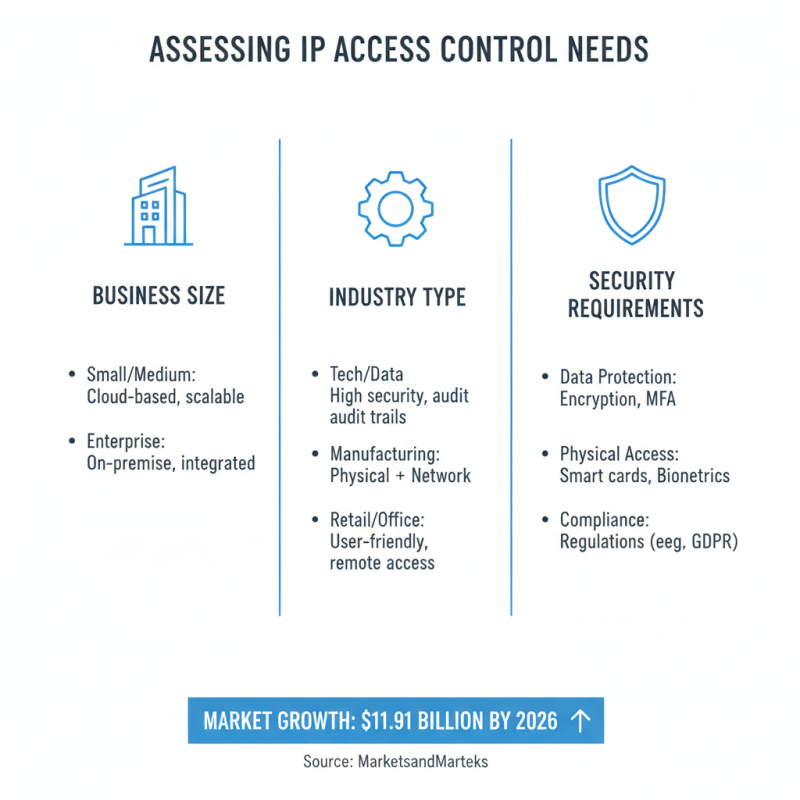
Assessing the specific needs of your business is crucial for choosing the right IP access control solution. According to a report from MarketsandMarkets, the access control market is expected to grow to $11.91 billion by 2026. This highlights the increasing importance of security systems. Your business size, industry type, and security requirements will significantly influence your decision.
Consider the level of access needed for employees. Different positions may require varying access rights. For instance, a study by Security Magazine found that 70% of businesses experience internal security breaches, often due to insufficient access controls. Thus, customizing access levels is vital in preventing unauthorized access.
It's also important to evaluate the potential for integration with existing systems. Many companies face challenges when new solutions don't align with their current technologies. Research indicates that 65% of businesses that integrate their security systems report improved overall security effectiveness. Balancing budget constraints, user-friendliness, and future scalability can be a complex task. Reflecting on these factors will guide your business towards an appropriate choice.
Analyzing Cost-Effectiveness: Budgeting for Your IP Access Control Project
When budgeting for an IP access control project, understanding cost-effectiveness is crucial. Many businesses face tight budgets. It's essential to outline all potential costs, from hardware to installation. Consider ongoing expenses, like software updates and maintenance. These can quickly add up and affect your bottom line.
Tips: Assess your specific security needs. A larger facility may require more sophisticated systems. Don't overlook the importance of scalability. Choose a solution that can grow with your business. Involve your team in discussions. They may provide insights into real-world challenges.
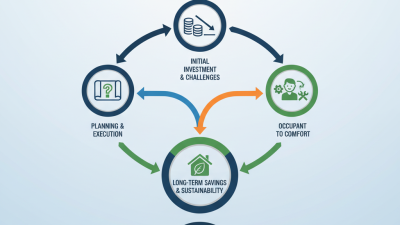
Analyze your initial expenditures and long-term benefits. Sometimes, cheaper options lead to higher costs later. It's vital to balance upfront savings with reliable, long-term performance. Compare warranties and customer support. This often indicates the reliability of the product. A poor decision made today can impact your operations down the line.
Incorporate contingency funds into your budget. Unexpected issues can arise during installation. Having a financial cushion can alleviate stress. Engaging a knowledgeable consultant may provide valuable insights. They can help you avoid costly mistakes and ensure informed decisions are made.
Cost-Effectiveness Analysis of IP Access Controllers
Future-Proofing Your Choice: Scalability and Integration Considerations
When selecting an IP access controller, scalability and integration are pivotal. A system that can grow with your business is essential. As companies expand, the need for additional access points increases. Opt for solutions that accommodate future growth without significant overhauls. This foresight can save time and costs in the long run.
Integration with existing systems is equally crucial. A controller should seamlessly connect with other security measures. If not, you may face operational hiccups. Consider how the new system will communicate with current software and hardware. This can be tricky. You might need to address compatibility issues that could affect user experience.
Lastly, think about future technological advancements. The right choice should adapt to emerging security trends. Evaluating potential software updates and interoperability ahead of time helps. It ensures your access control remains effective. Reflect on whether your current needs align with future objectives. Balancing today’s requirements with tomorrow’s possibilities is a continuous challenge in decision-making.
How to Choose the Best IP Access Controller for Your Business?
| Feature |
Description |
Importance |
| Scalability |
Ability to expand the system with additional controllers or functionalities as needed. |
High |
| Integration |
Compatibility with existing systems and software for seamless operation. |
High |
| User Management |
Features for managing user access levels and roles. |
Medium |
| Remote Access |
Ability to manage access remotely through cloud solutions. |
Medium |
| Support and Maintenance |
Availability of vendor support and maintenance services. |
High |
| Security Features |
Advanced security options like encryption and alerts. |
High |