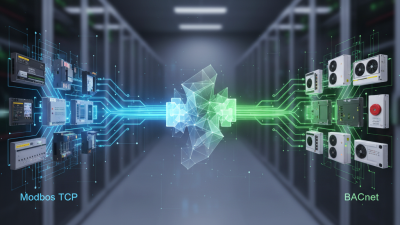
What is a Bacnet IP Controller and How Does It Work?
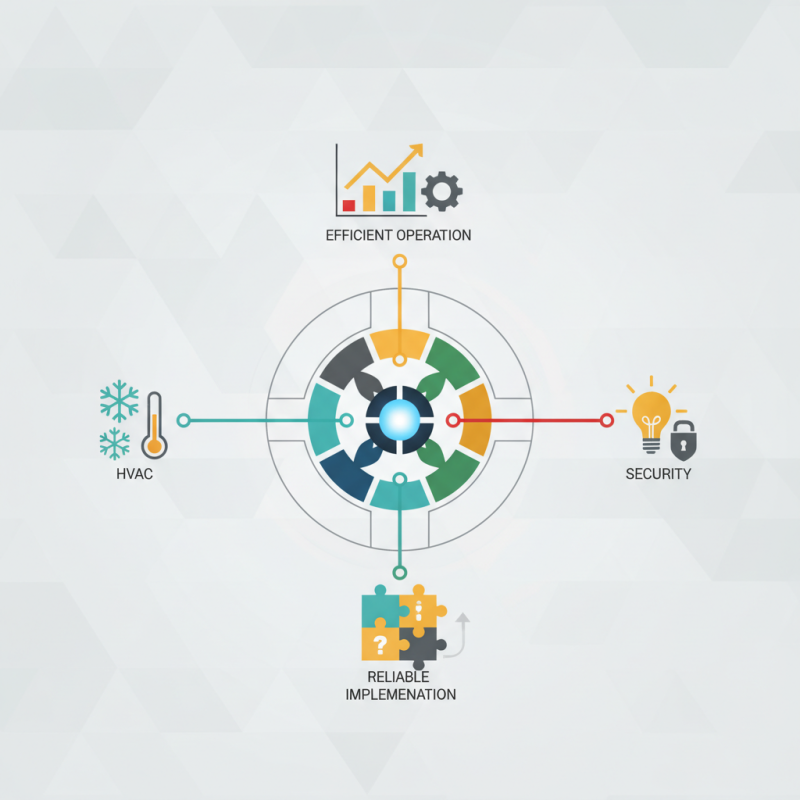
In the realm of building automation, the Bacnet IP Controller plays a pivotal role. This device facilitates communication between various systems, ensuring efficient operation in smart buildings. Its use of the BACnet protocol allows for seamless integration across HVAC, lighting, and security systems. Understanding how a Bacnet IP Controller functions is essential for optimizing building performance.
These controllers are designed to handle multiple data points and devices, offering flexibility and scalability. Users can monitor and control systems from a centralized platform, enhancing operational efficiency. The importance of robust architecture cannot be overstated, as it impacts system reliability and data flow.
While Bacnet IP Controllers provide significant advantages, challenges remain. Compatibility issues can arise, requiring technical expertise to resolve. Thus, having a reliable and knowledgeable approach to implementation is crucial. Overall, the Bacnet IP Controller is an indispensable tool in modern building management, deserving careful consideration and understanding.
What is a Bacnet IP Controller?
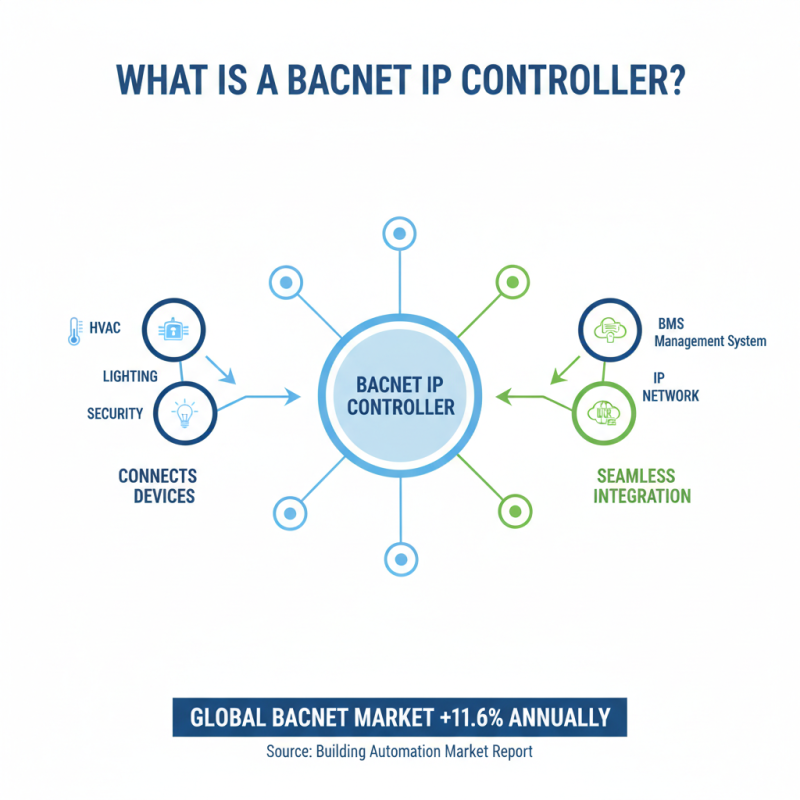
A Bacnet IP Controller is a crucial component in modern building management systems. It serves as a bridge between various devices and systems that communicate using the BACnet protocol over IP networks. This technology enables seamless integration. According to a report by the Building Automation Market, the global BACnet market is expected to grow by 11.6% annually, highlighting its increasing relevance and application.
The controller manages and controls HVAC systems, lighting, and security devices. It collects data from connected sensors and sends commands to maintain optimal conditions. This real-time communication helps improve energy efficiency. However, challenges exist. Network security concerns may arise, especially in larger installations. Ensuring data integrity and device authentication is critical in these instances.
Data from recent studies indicate that using a BACnet IP Controller can reduce energy consumption by up to 30%. This translates into significant cost savings for facility managers. However, proper configuration and maintenance are essential for achieving these results. Potential errors in programming or communication can lead to inefficiencies. Regular audits and updates are necessary to keep the system functioning effectively.
Key Components of a Bacnet IP Controller
A Bacnet IP Controller is a central component in building automation systems. It serves as a bridge between different devices, systems, and networks. Understanding its key components is essential for effective operation and integration.
The most crucial elements of a Bacnet IP Controller include the processor, communication ports, and software interface. The processor manages data and executes control algorithms. Communication ports enable device connectivity, supporting protocols like BACnet. The software interface allows users to monitor and control devices remotely.
In the design of a Bacnet IP Controller, challenges can arise. For instance, choosing the right processor requires balancing speed with energy efficiency. Effective communication can be hindered by network congestion. These aspects necessitate careful planning and may lead to unexpected complexities during implementation.
How Bacnet IP Controllers Communicate in a Network
Bacnet IP controllers play a crucial role in smart building automation. They act as communication hubs, managing multiple devices within a network. These controllers utilize the Bacnet protocol, which enables interoperability among diverse systems, such as HVAC, lighting, and security.
How Bacnet IP controllers communicate is essential for network efficiency. They use standard Ethernet technology to connect devices. Each controller communicates with others through IP addresses, allowing for seamless data exchange. This gives operators real-time insights into system performance. According to a recent report by the Building Automation Industry, nearly 75% of commercial buildings now utilize IP-based control systems. This trend emphasizes the growing reliance on networked communication.
Tip: Regularly update your Bacnet IP controller’s firmware. This ensures optimal performance and security. Over time, outdated software can lead to vulnerabilities. Also, implementing proper network segmentation can enhance security. Devices operating on a shared network may expose sensitive data if not properly managed.
It's worth noting that while most Bacnet IP controllers are reliable, issues can arise. Network configuration errors or poor signal strength may lead to communication failures. Addressing these challenges is essential for maintaining an effective automation system.
Applications and Benefits of Bacnet IP Controllers
Bacnet IP controllers play a crucial role in building automation systems. They facilitate communication between different devices, ensuring seamless operation. These controllers connect heating, ventilation, air conditioning (HVAC), and lighting systems. This integration improves energy efficiency and comfort in commercial buildings.
One significant benefit of Bacnet IP controllers is their scalability. They can easily adapt to various building sizes. From small offices to large industrial facilities, these systems work effectively. Moreover, they support remote monitoring and control. Facility managers can adjust systems from anywhere, enhancing operational flexibility.
Applications extend to energy management. Bacnet IP controllers help optimize energy use, which can lead to cost savings. They also provide valuable data for analysis, helping organizations make informed decisions. However, some organizations struggle with initial setup and integration. This process requires careful planning and expertise. It's essential to address these challenges to realize the full potential of Bacnet IP controllers.
What is a Bacnet IP Controller and How Does It Work? - Applications and Benefits of Bacnet IP Controllers
| Dimension |
Details |
| Definition |
A Bacnet IP Controller is a device that uses the BACnet protocol to communicate and control devices over a network. |
| Protocol |
BACnet (Building Automation and Control Network) is a data communication protocol used in building automation systems. |
| Connectivity |
Bacnet IP Controllers connect to other devices and systems via Ethernet/IP networks. |
| Applications |
Used in HVAC systems, lighting control, security systems, and energy management. |
| Benefits |
Improved interoperability, centralized control, energy savings, and scalability. |
| Key Features |
Supports multiple device communication, real-time data monitoring, and remote management capabilities. |
Challenges in Implementing Bacnet IP Controllers
Implementing Bacnet IP controllers can be challenging for several reasons. One of the main difficulties is network integration. Legacy systems often have different communication protocols. This creates friction when trying to connect newer devices. Incompatible technologies may lead to poor performance and data loss. Ensuring smooth integration requires careful planning and execution.
Another challenge is the configuration complexity. Setting up a Bacnet IP controller isn't always straightforward. Misconfigurations can cause devices to malfunction or fail to communicate effectively. This requires a deep understanding of both the controller and the devices involved. Many users find themselves re-evaluating their setup multiple times. The learning curve can be steep, especially for those new to building automation systems.
Tip: Always document your configurations. This will help trace issues when they arise and streamline troubleshooting.
Security is another concern when implementing these controllers. They can become vulnerable to cyber threats if not properly secured. Intruders may gain access to sensitive data or disrupt operations. It's crucial to implement strong password policies and regular software updates.
Tip: Regularly review your security protocols. Ensure that all devices are updated and follow best practices to safeguard your network.